
June 23, 2025
Guest Blog: From Linear to Circular – Why IT Lifecycle Management Matters in 2025
As the impacts of climate change intensify, how we manage the technology we rely on every day has never been more important. Extreme weather events, shifting regulations, and the growing demand for sustainability are forcing organisations to think differently – not just about how they buy and use IT equipment, but how they manage its entire lifecycle.
That’s where IT Lifecycle Management comes in. It’s about taking a proactive, responsible approach to managing technology – from procurement through to end-of-life. In today’s fast-changing world, this is no longer a ‘nice to have’ – it’s a critical strategy for resilience, sustainability, and cost control strategy for resilience, sustainability, and cost control.
The E-Waste Problem
Let’s start with the scale of the issue. In 2022, the world generated a staggering 62 million tonnes of electronic waste – the highest ever recorded – yet only 22.3% was properly collected and recycled (ITU, 2024). That means millions of tonnes of valuable resources like gold, silver, and rare earth metals are lost every year – while toxic substances like lead and mercury pollute our environment.
Every device we discard without proper recycling contributes to this crisis. And with demand for new technology soaring, the problem is only getting worse.
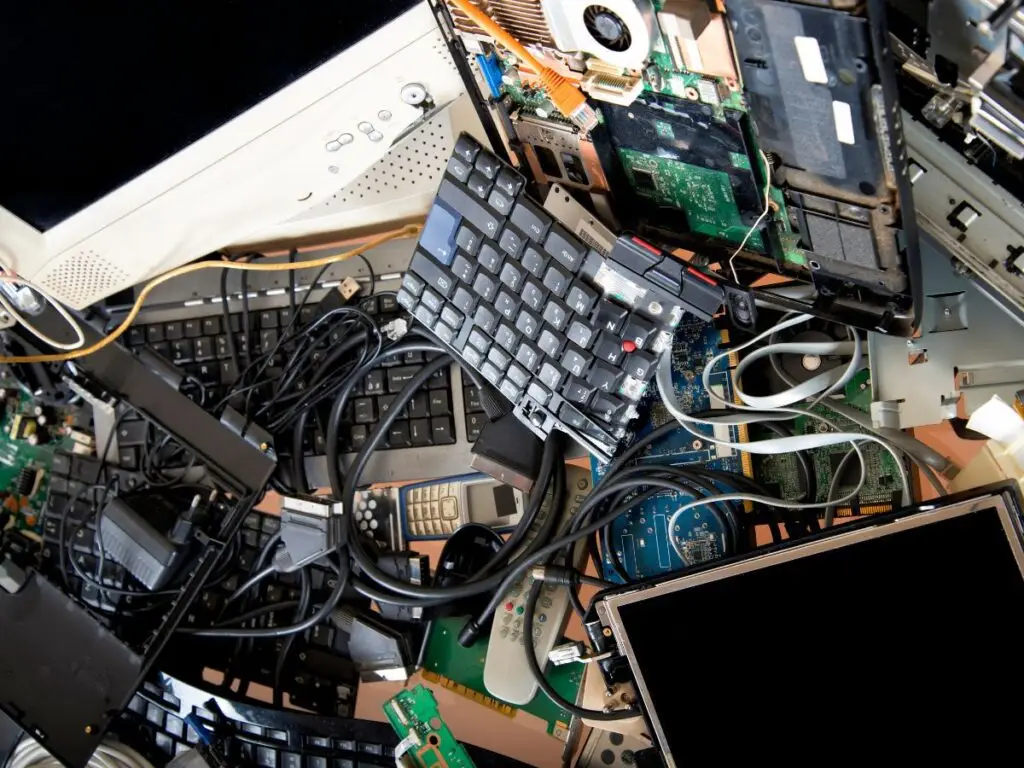
From Linear to Circular
The traditional, linear model – buy, use, discard – is no longer sustainable. It’s time to shift towards a circular approach, where we prioritise reuse, refurbishment, redeployment, and responsible recycling. This not only reduces waste but helps cut carbon emissions by avoiding the need for energy-intensive manufacturing of new equipment.
For example, reusing just one tonne of laptops saves the equivalent of 3,000 kg of CO₂ emissions compared to producing new ones (UNEP, 2022). The circular model helps reduce the extraction of finite resources like cobalt and rare earth elements – critical for everything from smartphones to renewable energy – and reduces reliance on environmentally damaging mining practices.
At its core, IT Lifecycle Management is about doing more with what we already have. By extending the life of IT assets through refurbishment and redeployment, organisations can reduce their environmental impact and save money by avoiding unnecessary purchases.
Data Security – The Often-Overlooked Risk
While sustainability is a key driver, data security must not be overlooked. Improper disposal of IT equipment can lead to serious data breaches – exposing sensitive information, breaching regulations, and damaging trust.
That’s why working with a compliant IT Asset Disposal (ITAD) provider is essential. A certified ITAD partner ensures that data is properly sanitised, hardware is securely tracked, and disposal is carried out in line with standards such as ISO 27001, the WEEE Directive, and ADISA-aligned best practices. Without this, organisations face real risks: of non-compliance, reputational damage, and regulatory penalties.

A Resilient, Sustainable Strategy
Effective IT Lifecycle Management isn’t just about minimising risk or reducing emissions – it’s about building resilience. The more flexible and circular your IT strategy, the better prepared you are to respond to disruptions – whether from supply chain issues, regulatory changes, or environmental events.
For instance, when extreme weather or crises disrupt operations, being able to redeploy existing assets across sites, or extend the life of current equipment, ensures continuity without unnecessary spending or environmental impact.
Organisations embracing a lifecycle mindset are also better equipped to meet increasing demands for ESG reporting. Many ITAD providers, including Astralis, now offer detailed environmental impact reporting – helping clients track carbon savings, waste diversion, and material recovery. This data supports broader sustainability goals and helps organisations demonstrate tangible progress to stakeholders.
Turning Barriers into Opportunities
Of course, challenges remain. Inconsistent regulations, limited awareness, and a lack of standardised practices can make implementing lifecycle strategies complex. But these challenges also present opportunities.
By collaborating with partners who share a commitment to sustainability – such as ITAD providers who extract and repurpose valuable materials from obsolete technology – organisations can reduce risk, unlock hidden financial value, and align IT operations with ESG goals.
It’s about moving beyond compliance and embracing a more purpose-driven approach to technology management.
A Shared Responsibility
Building a more sustainable and resilient future requires collective effort. Public sector organisations, private companies, regulators, and industry bodies all have a role to play. Clear policies, incentives, and shared best practices can accelerate progress – but it’s the actions we take now, in our organisations and supply chains, that will make the biggest difference.
By embedding circularity into IT decision-making, organisations can turn the tide on e-waste, reduce their carbon footprint, protect data, and make a meaningful contribution to a more sustainable economy.
IT Lifecycle Management isn’t just about end-of-life – it’s about taking ownership of the entire journey. From the moment a device is purchased, decisions can be made that support resilience, sustainability, and security.
Let’s make those choices count.

About Astralis Technology Ltd
Astralis Technology Ltd is a UK-based IT Lifecycle Services company, founded by experienced professionals with a passion for delivering secure, sustainable, and value-driven solutions. Astralis partners with public and private sector clients to manage the full lifecycle of IT assets – from procurement and deployment to secure data erasure, resale, redeployment, and responsible recycling – helping organisations achieve their ESG goals while protecting data and maximising value.
For more information, visit www.astralistech.co.uk.
By Laura Cooper, Chief Marketing Officer at Astralis Technology Ltd